Best Practices for Waste Disposal with Portable Toilets on Rent
When people rent portable toilets, they usually focus on the obvious part: having a clean, usable facility on site. The part that quietly determines whether the experience is actually good, or becomes a daily headache, is waste disposal. Not just “someone will come pump it out,” but how the waste is handled from the moment the unit lands on your property until the last truck leaves.
I’ve been on jobs where the difference was night and day. One crew treated the portable toilets like an afterthought, parked them wherever it was convenient, and waited too long to service. The result was a smell problem, higher maintenance costs, and a lot of finger-pointing. Another job treated waste disposal as a logistics plan. The unit stayed in good shape, crews stayed comfortable, and the service schedule ran like clockwork.
Below are practical, field-tested best practices for waste disposal when you’re using portable toilets on rent, including what to coordinate, how to reduce issues proactively, and what “good service” actually looks like.
Start with placement, not the pump truck
Waste disposal is easier when the unit is installed correctly. Placement affects everything: how fully people use the facility, how quickly it fills, and how likely you are to deal with odors or leaks.
If a portable toilet is placed in a sun-baked corner with poor airflow, waste tends to process differently and odors can build faster. If the unit sits on uneven ground, it can shift or become harder to access for service. If it’s too close to a building entrance, a small odor event turns into a major complaint.
As a rule, you want a spot that’s accessible for the service vehicle, safe and stable for the unit, and not in the direct path of frequent traffic. For many portable toilet rental companies, the service route and setup matter just as much as your comfort.
On a Boston site, this also means thinking about constraints like paved areas, curb access, and tight alleys. Porta Potty Rental Boston providers often have strong local knowledge on where trucks can and cannot stage, so it’s worth asking early how they prefer sites to be arranged.
Know what kind of unit you’re renting
“Portable toilet” can mean different systems. The waste disposal approach is not identical across them, and that’s where a lot of confusion comes from.
Some portable toilets use a sealed waste tank with a chemical process to help manage odor and waste breakdown. Others may include more specialized features depending on the model. In high-usage settings, some companies also offer upgrades like handwashing stations, ventilation improvements, or units designed for heavier throughput.
If you’re using an emergency portable toilet rental, you might get whatever is available fast. That does not mean it’s the wrong choice. It just means your waste disposal plan needs to start sooner. If the site is unpredictable, you can’t rely on a “standard” schedule without checking how quickly the unit is filling and how it smells in real conditions.
If you’re choosing Portable Toilet Rental from a company, ask what service interval they recommend based on your expected usage, and whether they adjust on the fly. A reputable provider will talk in terms of capacity and monitoring rather than vague assurances.
Plan around usage, not headcount alone
A common mistake is to estimate demand by counting employees or attendees and then assume the portable toilets will https://local.gocommercially.com/east-bridgewater/professional-services/premier-portable-potties “hold.” Waste disposal capacity is influenced by more than simply the number of people.
Usage patterns matter. A site with a lot of short breaks might drive different usage than one where workers stay on site for long stretches with fewer stops. Weather matters too. In cold conditions, units may be harder to service quickly if equipment access is limited, and odors can feel sharper when ventilation is poor. In hot conditions, odor management becomes more time-sensitive.
The unit’s location also affects behavior. If a toilet is inconvenient to reach, people may postpone trips, which increases discomfort and makes the unit feel “worse” sooner when it is eventually used heavily.
For accurate planning, you need a working estimate of how many trips per day you’ll see. If you don’t have that number, take a pragmatic approach: start with your best guess, monitor closely after the first day, then adjust the service schedule. Most portable toilet rental companies that do this routinely will tell you that the first service visit often changes the next one.
Keep the unit clean between service visits
Waste disposal isn’t just pumping out the tank. A well-managed portable toilet also needs surface cleanliness, stocked supplies when provided, and basic attention that reduces misuse and mess.
If you’re in charge of the day-to-day on site, assign a point person. It can be someone in facilities, site management, or even a lead from the crew. The goal is not obsessive cleaning. The goal is to prevent minor issues from turning into disposal problems.
Small actions can have outsized effects:
- If the area around the unit becomes muddy or messy, people track debris inside or around the door. That adds cleanup work and can accelerate odor complaints.
- If the toilet is running low on what the unit came with (some rentals include soap or paper, others do not), people may improvise, which increases waste and waste handling issues.
- If the door area is blocked, or the unit is inaccessible due to deliveries or construction materials, people may delay using it, which increases strain on the tank.
This is also where you can protect your relationship with the provider. When a company comes to service a unit that’s been maintained and accessible, the visit tends to go smoothly, and that stability supports predictable waste disposal.
Use chemicals and service options the right way
Many portable toilets rely on chemical treatments to control odor and support waste management. The key is to avoid improvising.
If your rental includes chemical management as part of service, you should not “top off” anything unless the provider instructs you to do so. If you use an additive that’s incompatible with the system, you can create odor problems or complicate processing during disposal.
For seasonal or special event use, providers may recommend different approaches. If it’s winter and you’re concerned about freeze or access, emergency portable toilet rental arrangements may prioritize servicing frequency and access planning over experimentation.
The point is simple: treat the waste disposal system as a closed workflow managed by the rental company, unless they give explicit guidance for portable toilets to rent your role.
Maintain a service schedule you can actually keep
Even a great portable toilet rental can fail if the service cadence doesn’t match your reality. The best waste disposal practices are proactive, not reactive.
A lot of sites wait until they can smell it, then they call. By then, the problem is already impacting workers, visitors, and sometimes nearby neighbors. That’s also when disposal costs tend to rise, because the unit may require more urgent handling.
If you’re paying attention, you can schedule service based on usage signals:
- the unit starts to smell stronger than expected
- more frequent visits to the unit feel necessary
- the provider reports higher-than-expected fill rates during prior visits
- the site conditions change, like a new phase of work or a sudden increase in staff
If you’re working with cheap portable toilet rental options, that can be fine as long as “cheap” doesn’t mean “slow to respond.” Lower price is only truly lower cost if the service schedule supports your site’s demands. Ask what happens if you need an extra pickup day, or if the first scheduled service needs to be moved up. Good providers build flexibility into their approach, especially for busy construction periods or festivals.
Accessibility rules matter for safety and disposal
Waste disposal is a logistics operation. If the service vehicle can’t access the unit safely, pumping and servicing become slower, costlier, and sometimes impossible.
Plan for these realities:
- The unit needs to be reachable for the pump truck or vacuum system.
- The path has to support weight and turning radius.
- Barriers and construction materials must not block access.
- If you have multiple toilets, the spacing matters so the service crew can work efficiently.
On tight urban jobs, this is where Porta Potty Rental Boston services can save time. Local operators often understand how to stage around sidewalks, lanes, and private access restrictions. If you ignore those constraints and place units in hard-to-reach areas, you’re essentially making waste disposal harder for everyone, including the technicians.
For safety, make sure the site has a clear plan for the time the service happens. If your workers treat service visits as just another delivery and don’t coordinate movement, you can end up with a unit that’s accessible to the truck but blocked by equipment or materials at the worst moment.
Don’t neglect reporting and communication
Waste disposal problems are rarely mysterious. They are usually traceable to one of three things: the unit is filling faster than predicted, the unit is being misused, or access and servicing are not aligned.
Communication is what prevents small signals from turning into big issues.
If you see unusual mess or consistent odor complaints, tell the provider promptly. If you notice a major schedule change, like an extra crew arriving early morning, communicate that adjustment too. A professional portable toilet rental process is responsive, not stubborn.
In my experience, the best providers ask questions up front, not just when you call with a problem. They may ask about event timing, expected attendance, or the number of laborers. For construction sites, they often ask about work phases, access constraints, and how the team is organized.
Portable toilet rental companies that are serious about disposal workflows will treat this as part of the service, not an inconvenience.
What “good” waste disposal looks like in the real world
People often judge success by whether the toilet “seems fine” on a given day. Waste disposal success is more measurable than that.
A good waste disposal workflow includes:
- timely servicing based on fill and site conditions
- a clean swap or service process that minimizes spillage or mess
- proper handling at the disposal site according to local requirements
- clear documentation or confirmation where relevant
You do not need to know the technical details of treatment and processing, but you should expect professionalism and cleanliness around the unit and the service visit itself. If you repeatedly see drips, poor cleanup, or sloppy handling, that’s not just an inconvenience. It can signal a disposal process that is not managed carefully.
Odor control is part of disposal, not separate from it
Odor is the feedback system of waste disposal. When odors increase, it usually means something is off in the chain. The fix is not always “clean more.” Sometimes it’s service frequency. Sometimes it’s placement and ventilation. Sometimes it’s the usage pattern.
For example, if a unit is placed near a generator area or a busy entry where doors stay open often, airflow might carry odors toward people. Alternatively, if the unit sits in a sheltered corner with little airflow, odors accumulate and stay close to the ground.
Sometimes the solution is simple: ensure the unit is accessible and that nothing is placed around it that blocks ventilation or creates stagnant air.
If you have a multi-day event and you’re deciding between different Portable Toilet Rental options, ask how they handle odor management between service visits. It should be a standard part of the conversation, not a special request.
Emergency rentals require tighter monitoring
Emergency portable toilet rental is a lifesaver when something goes wrong: a sudden storm, a broken restroom at a venue, a delayed inspection, or a construction phase that accelerated faster than expected. The challenge is that emergencies often come with incomplete information.
That’s why monitoring becomes essential.
If you rent an emergency unit, you should treat the first 24 hours as a test window. Get a baseline for odor and usage intensity. Then, align service timing accordingly. If you already know the site will be busy, don’t wait for a smell event. A good provider will recommend faster service if the unit is likely to fill sooner than a normal schedule.
It’s also wise to clarify who owns what. Who manages access on service day? Who keeps the surrounding area clear? Who calls the provider if something seems off? Emergency timelines are chaotic. A clear plan prevents misunderstandings when time matters most.
Trade-offs: price, speed, and predictability
Renting portable toilets can range from budget-friendly to premium, depending on unit type, service frequency, and add-ons. “Cheap portable toilet rental” is often attractive, especially for short jobs. The risk is that low cost can come with constraints that affect waste disposal outcomes.
Here are the trade-offs to watch for:
- Lower price might mean fewer scheduled visits, so the site absorbs more risk when usage spikes.
- Some pricing models may include standard service only, with limited flexibility for extra pickups.
- Higher price might include closer monitoring, faster response times, or more proactive replacement policies.
The best way to avoid regret is to compare what’s included, not just what the invoice says. Ask about how the provider decides service frequency, what happens if you need additional units, and what to expect if the site changes suddenly.
You’re not just buying a toilet, you’re buying a waste disposal workflow. A “cheap” workflow that fails costs more in cleanup, lost comfort, and the time it takes to manage complaints.
Ask the right questions before you sign
Most problems come from assumptions, not from bad intent. Before you commit to a Portable Toilet Rental or Porta Potty Rental Boston arrangement, spend a few minutes clarifying expectations. You’ll reduce waste disposal chaos later.
Here are five questions that consistently uncover the important details:
- How do you determine service frequency for my site, based on usage and tank capacity?
- What is your response plan if the scheduled pickup needs to move up or expand?
- Who is responsible for keeping access clear for the service vehicle on service day?
- What unit features affect odor control, and what should we do between services to help?
- What’s included in the rental price, and what triggers additional charges?
This is also a good way to evaluate portable toilet rental companies. A professional provider will answer clearly and tie the answer to your site conditions rather than giving generic statements.
Disposal compliance and local realities
Waste disposal is regulated. Even when you don’t handle the disposal process yourself, you should still expect the rental company to operate responsibly and legally.
In practical terms, that means they should be a legitimate operation with proper disposal facilities and processes for waste handling. You don’t need to ask for paperwork as a routine step, but you should feel confident that they have the infrastructure to do the job properly.
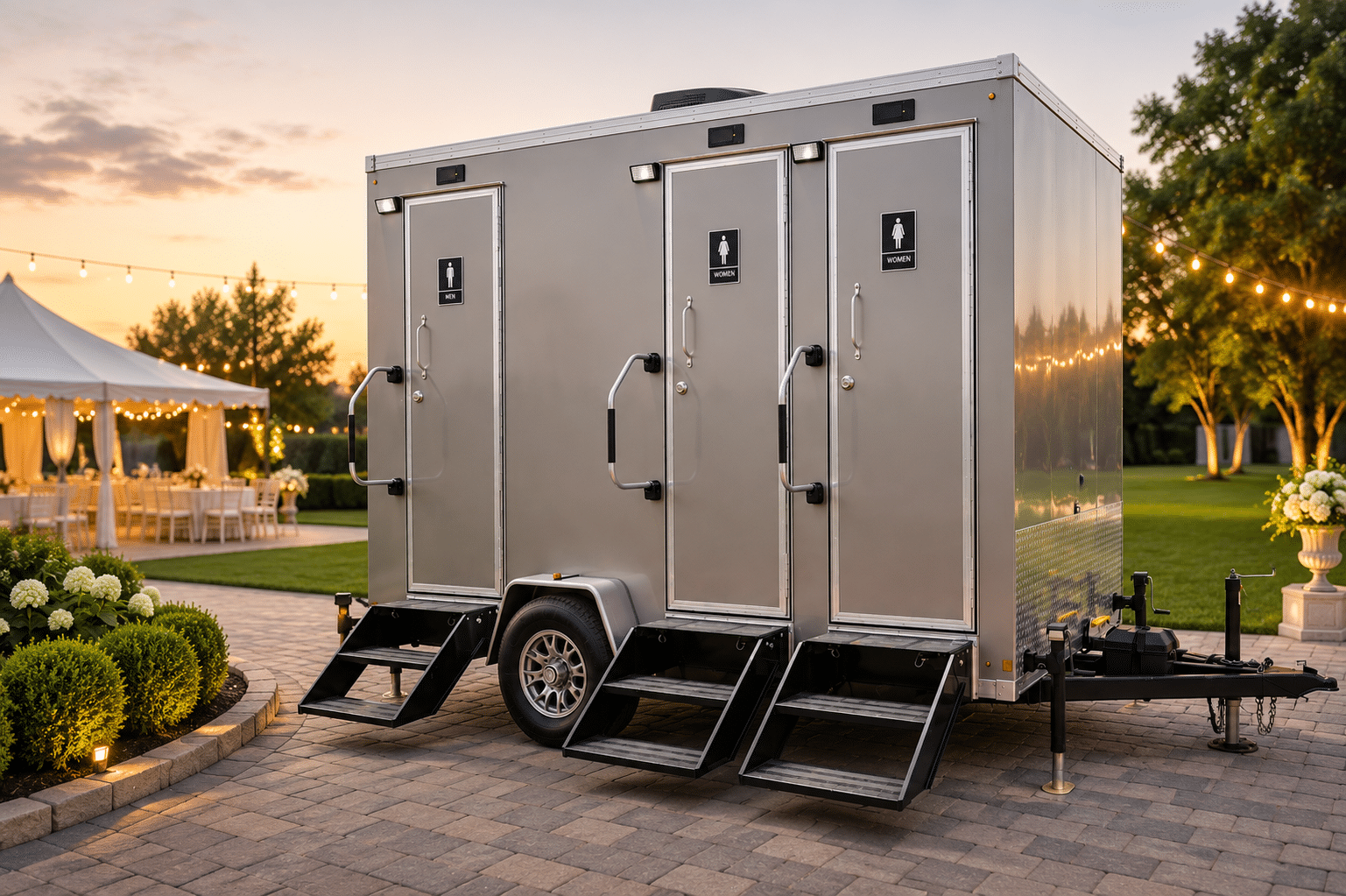
If you see a provider who seems vague about where waste goes or how disposal works, that’s a warning sign. Odor and cleanliness problems are often connected to sloppy operations somewhere in the chain.
On the Boston side, local conditions, trucking routes, and municipal rules shape how service is delivered. That’s one reason to use providers familiar with Porta Potty Rental Boston logistics and disposal expectations.
Typical mistakes that trigger waste disposal problems
Even well-run sites run into issues. Most failures follow predictable patterns. When you know the common mistakes, you can avoid them without overcomplicating the job.
The biggest culprits I’ve seen:
- placing the unit in an inaccessible corner that causes delayed service visits
- underestimating usage after a schedule change
- neglecting basic cleanliness between services
- waiting too long to call when odors or fullness increase
- choosing based on price only, without checking service frequency flexibility
If you treat waste disposal as an ongoing plan, not a once-per-week task, your odds improve dramatically.
Keep a simple site log
This may sound too simple, but it works.
If you’re managing a job site, event, or multi-day construction phase, keep a basic log of what happens. Track when the unit is delivered, service dates, and any changes in usage or complaints. When you call the provider, you can describe what you’re seeing in a concrete way.
Instead of “it smells,” you can say “the odor got noticeable late morning on day two,” or “we had two extra crews starting Friday.” That clarity helps the provider recommend the right next service schedule and prevents reactive adjustments.
It also protects you if there’s ever a billing dispute. When service is documented and the site realities are recorded, the conversation stays grounded.
Final take: treat disposal as part of the rental, not an afterthought
Portable toilet rental is not only about the physical unit. It’s about the operational chain that keeps the unit usable, hygienic, and low-impact to surrounding areas. Waste disposal best practices come down to a few core habits: correct placement, realistic usage planning, a service cadence you can trust, and clear communication.
If you do those things, you can rent portable toilets on rent schedules that feel smooth even during high-demand weeks. And when something changes unexpectedly, your team is ready to respond quickly instead of scrambling.
Whether you’re looking at Portable Toilet Rental for a scheduled job, Porta Potty Rental Boston for local access needs, or an emergency portable toilet rental when time is tight, the same principle holds: waste disposal is a system. Manage the system, and the experience usually stays clean, predictable, and professional.
Premier Portable Potties
35 Industrial Dr, East Bridgewater, MA 02333, United States
(774) 444-6997
[email protected]
website: https://www.premier.boston/