Emergency Portable Toilet Rental: A Boston Guide for Managers
When something breaks at the worst possible moment, it is rarely the big, dramatic failure you see in movies. It is usually smaller and nastier: a clogged line that backs up onto a walkway, a temporary job site that suddenly becomes a public-facing mess, a construction staging area that does not have enough fixtures for the crew, or an outdoor event that loses restrooms overnight due to vandalism or a delivery delay.
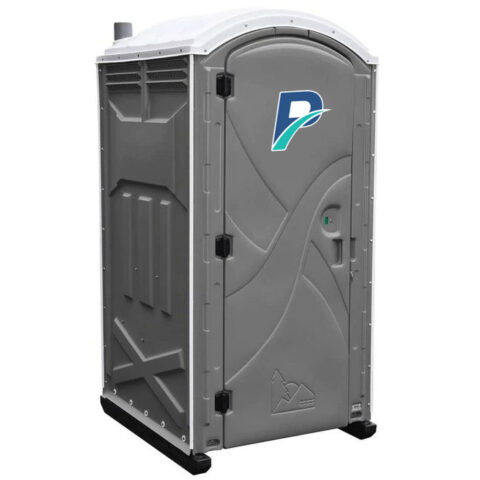
For managers, the problem is the same whether you oversee a construction project, a moving office, a renovation, or an event. You need emergency portable sanitation that actually shows up on time, can handle the number of people you have, and gets handled cleanly at pickup. In Boston, the logistics matter, too. Traffic, tight loading access, weather swings, and the fact that many sites are constrained by sidewalks and storefronts can turn a “simple rental” into a scramble unless you plan for it.
This guide is written for the person who has to make the call fast, coordinate delivery and placement, and keep the project (or event) from turning into a reputational problem. If you are searching for Porta Potty Rental Boston, portable toilets on rent, emergency portable toilet rental, portable toilet rental companies, Portable Toilet Rental, or even cheap portable toilet rental, you are probably already dealing with time pressure. Let’s make the decision cleaner.
What “emergency” really means in the field
Emergency portable toilet rental sounds like a single situation, but it usually comes in a few common flavors.
Sometimes it is immediate loss. A restroom trailer or temporary setup is unavailable, stolen, or damaged, and you need replacement fixtures today or tomorrow. Other times it is capacity failure. The crew doubles, a public-facing event grows faster than expected, or you did not budget for weekend traffic. Then there is the “we tried to fix it” scenario, where you start with minimal units, and the problem escalates because the unit count was too low or servicing was delayed.
Boston managers tend to learn the hard way that portable toilets are not just a purchase decision. They are an operations decision. The right number of units matters, but so does the service schedule, placement, and how quickly you can get a pickup routed once the need ends.
Start with the real variables: people, duration, and site conditions
Before you call any portable toilet rental companies, take five minutes to write down three things. It prevents back-and-forth that wastes time when you are already late.
First is the number of users. For construction sites, you can estimate using crew size. For events, think about peak attendance and how long guests will stay. If you have a day-long event with people coming and going, the ratio of fixtures to attendees is different than a short, ticketed block.
Second is duration. Emergency often means you need service within a tight window, but the rental length still affects recommendations. Some managers request same-day delivery and then run the units for only a day or two, which is fine, but you want a provider that understands how to schedule pickup without leaving you stuck with extra days.
Third is site conditions. Is it a hardscape lot with limited access, a narrow street with loading restrictions, or a backyard with uneven ground? If you cannot get delivery equipment Go to this site close to the placement area, you need to plan how units will be moved and how safely they will be set level. In winter, frozen ground and ice can also complicate placement, so a provider that routinely works in Boston weather swings is worth its weight.
How many portable toilets do you actually need?
This is where managers often get burned, not because anyone is trying to cheat, but because expectations are mismatched. A “single unit” solution can work for a tiny crew for a few hours. It can also fail quickly when you have repeated use, long lines, or a group that expects more convenience than the unit count supports.
When rental companies recommend quantities, they are usually balancing usage patterns, sanitation capacity, and servicing intervals. Your best move is to tell them the number of people and how long they will be using the units, then ask what their typical sizing approach is for the scenario you describe. A reputable portable toilet rental company should be able to explain their logic in plain language.
If your goal is to keep it simple: estimate usage honestly, err slightly toward more units if you are dealing with peak crowding, and plan servicing based on how quickly the units will fill. The cost difference between two units and five units feels huge when you are staring at a quote, but it is often smaller than the cost of unhappy workers, complaints from neighbors, or a site manager rerouting foot traffic to avoid a sanitation hotspot.
Placement is a logistics decision, not an afterthought
Delivery day is when most of the “hidden work” appears. Units need to be placed where they can be accessed quickly, where they do not block pathways, and where they can be serviced without turning every pickup into a second emergency.
Think about the human experience first. People will walk to the unit you place, even if it is farther than you intended. That means placement should reduce detours and avoid bottlenecks. On construction sites, place units close to where workers already gather and where rest breaks happen. On event sites, consider how guests flow from parking to entrances and what route they would naturally take.
Then think about service access. A delivery truck and a service vehicle need a workable route. In Boston, that might mean coordinating with the street frontage, respecting sidewalk clearances, and planning for the fact that you might not have a perfect “dock” spot. If you have a gated area or a courtyard, confirm you can open it when the provider arrives.
Level placement matters, too. If the base is uneven, you can end up with operational issues that are not fun to diagnose mid-event.
Emergency portable toilet rental: what to ask on the phone
When you are calling under pressure, the best conversations feel efficient. You should not have to fight for basic answers.
Ask about delivery timing first. In emergency portable toilet rental situations, timing is the main product. Confirm whether they can deliver within your window, and ask how they handle delays. If they say “we’ll try,” you want clarity on what “try” means and what backup plan exists.
Next, ask about the unit types available. Many Boston managers discover they need more than one category depending on the site. A crew-heavy construction zone might prioritize sturdy standard units. An event with mixed ages and mobility needs might require ADA-style accessibility options, and a venue might also request enhanced interiors or handwashing stations.
Finally, ask about servicing and pickup. A cheap quote can be misleading if it assumes a service schedule that does not match reality. The question is not only “how much per unit,” but “how many service visits are included during the rental period,” and “when will pickup happen after you call it done.”
Here is a short call checklist that saves time:
- Confirm delivery date and time window, not just the day
- Share estimated number of users and peak timing
- Ask what unit types fit your scenario and whether accessibility options are available
- Clarify servicing schedule during the rental and how full units are handled
- Confirm pickup timing and what access is needed for service vehicles
Trade-offs managers run into (and how to avoid the most common headaches)
In practice, there are a handful of trade-offs that keep showing up. You do not have to eliminate them all, but you should understand them before you sign.
Cost versus real service coverage
Managers often start with cheap portable toilet rental because the budget is real and deadlines are real. What tends to get overlooked is how “cheap” is calculated. If included service visits are limited, units can fill faster than expected, leading to overflow, odor complaints, and the need for urgent additional pickups. That second emergency is usually more expensive than paying slightly more upfront for a stronger service cadence.
Speed versus placement quality
If you need units in hours, you may sacrifice ideal placement. Sometimes that is unavoidable, especially if you are responding to a sudden failure. Still, ask whether the provider can set units correctly given your site constraints. Leveling and safe access take time. A team that has done Boston deliveries often knows the fastest route that still results in proper placement.
Standard units versus enhanced setups
Standard units solve the sanitation problem, but they do not solve every “human comfort” issue. For events, enhanced options can reduce complaints. If your venue is in a public-facing neighborhood or near storefronts, odor control, cleanliness practices, and hand hygiene options matter more than you might expect. That does not mean you have to go premium for every scenario, but it does mean you should match the setup to the audience.
Crew turnover and usage spikes
Construction crews change. Events surge. School groups have scheduled peaks. If you quote a fixed average usage without addressing peaks, you can end up undercounting units. The providers who work across different Portable Toilet Rental scenarios often ask clarifying questions about peak hours for a reason.
Boston-specific realities you should plan for
Boston can be generous with its variety, but it is not always forgiving with logistics.
Narrow streets and dense activity mean delivery windows matter. If a provider tries to arrive without coordinating access, they can lose time setting up the delivery and you lose time getting units into use. If your site is near active sidewalks, double-check how units will be protected from pedestrian interference and whether you need basic signage or temporary control measures.
Weather also changes the decision. On cold days, managers worry about freezing. Some providers manage this with winter-ready practices and appropriate products, but you should ask directly what they do for cold-weather service. You want to know whether the provider routinely handles winter deliveries and not just fair-weather installs.
Also remember that Boston has many older building patterns where “easy access” is an illusion. Courtyards, small alleys, and partial driveways can force units to be staged or moved a short distance after placement. If the provider has not done similar sites, you can see problems in the first hour.
When to choose standard units, accessibility units, or upgraded options
A common mistake is treating the decision as purely numeric. It is numeric, but it is also about the user experience and legal or contractual requirements when they apply.
Managers should think like this: who will use the units, where are they located relative to entrances, and what level of accessibility is expected by your client, venue, or community guidelines.
For construction sites, standard units can be enough if the crew fits typical usage patterns and if your project requirements do not call for specific accessibility accommodations. For events, venues often expect accessibility options and may require them as part of overall planning. Upgraded options can include improved interior design, better odor management approaches, and sometimes handwashing add-ons, depending on what is available through the portable toilets on rent provider.
If you are not sure which category fits, describe your scenario plainly. A good portable toilet rental companies representative will guide you toward the simplest configuration that still meets expectations. A poor one will only push the most profitable bundle, regardless of whether it matches your use case.
A quick reality check: what a “same-day” delivery should include
If you are truly in an emergency, you should plan for the fact that same-day delivery will require cooperation from your side.
Be ready with placement coordinates. If you can, send a photo of the entrance or loading area. If you cannot, at least have someone on-site who can meet the driver and confirm the drop location. If the provider cannot place the unit safely, they might hold it or reposition it, and that eats time.
Also, have a plan for communications. If workers or guests are waiting on restrooms, you need to know when the units arrive, when they are ready for use, and whether you should expect minor delays during set up. Clear communication reduces complaints and keeps you from chasing misinformation.
Emergency rentals can be smooth when both sides coordinate. They can also spiral when no one owns the details.
After the rental: what good pickup looks like
Cleanup and pickup are part of the service, and for managers, they matter because they affect the “end date” of your compliance obligations. A provider that only thinks about delivery often treats pickup as an afterthought.
Ask when pickup will occur and how you call it in. Some providers will schedule pickup based on the end of your rental window. Others may require a confirmation call. If you miss that call because the project is hectic, you can end up paying extra days or having units sit longer than needed.
Pickup should also be safe. Units should be retrieved without damaging walkways or creating mess. If you have an area that is sensitive, such as a landscaped border or a storefront edge, tell the provider ahead of time. They may adjust the route and method used.
Examples from the kinds of calls I see most often
Let’s make this practical with a few realistic scenarios you might recognize.
Scenario 1: construction site restroom loss the day before a scheduled inspection
A project manager calls because the temporary restroom set up is gone. The inspection date is tomorrow morning. The crew is already working, and workers are using an improvised workaround that is not acceptable for the site or neighborhood.
The best response is not “buy one unit and hope.” The key is to request enough units for the crew size until inspection day, confirm servicing frequency, and ensure the driver can place units close to where workers already enter. In this kind of situation, the fastest solution usually includes multiple units staged with clear access, not a single unit that forces lines and delays.
Scenario 2: outdoor event expands after a weather forecast
An event organizer planned for a certain attendance, then the forecast improves and more vendors and guests show up. Suddenly the restroom area is overwhelmed.
In this case, you still want an emergency portable toilet rental, but the focus is capacity and peak flow. You can sometimes handle this with an additional unit cluster rather than replacing everything. Ask whether the provider can deliver additional units quickly and whether servicing can be adjusted during the same rental period.
Scenario 3: office renovation starts late and the crew arrives before the new fixtures
A renovation contractor gets started with a smaller team, then ramps up. The project site had a minimal restroom plan, but the crew count grows faster than expected.
This is where “portable toilets on rent” can be a smart bridge. Instead of waiting until plumbing work is complete, you rent units for the messy phase, keep the site orderly, and schedule pickup once work is finished. The judgment call is whether to add units now based on expected ramp-up, or wait and risk the site becoming a complaint magnet.
How to evaluate portable toilet rental companies without getting burned
When time pressure hits, it’s easy to choose the first company that answers. But you still need to evaluate fit, because emergency problems compound when the provider does not communicate well.
Look for clarity in their answers. If they tell you delivery timing but cannot describe how placement will work, that is a red flag. If they give pricing but do not explain servicing, it is incomplete. If they cannot confirm what happens if a unit fills early, you are gambling.
Also, ask about unit variety. A provider that only offers one “standard” model may not fit your needs if accessibility options or upgraded setups are required. You want a provider that can match Portable Toilet Rental to your scenario rather than forcing your scenario into a one-size quote.
Finally, consider responsiveness. In an emergency, you are not just buying a unit. You are buying operational reliability. If their communication is slow before delivery, it will be slower when you need changes.
Common mistakes managers make during emergency rentals
Even experienced managers fall into these traps, usually because adrenaline makes everything feel urgent.
One mistake is underestimating usage and then waiting too long to add units. Another is assuming “servicing included” means unlimited service. It may mean one visit per day or a fixed number of scheduled visits. If you do not confirm, you might get surprised.
A third mistake is poor site prep. Managers think the provider will handle everything. The provider handles the unit and sanitation work, but you still need to coordinate access and placement location. If the delivery truck can’t get close, your timeline may slip even if the provider is competent.
Here are the most frequent fixes I recommend when something starts to go wrong:
- If demand is higher than expected, add units early instead of waiting for lines
- If units fill faster, confirm servicing frequency and adjust the schedule immediately
- If placement is blocked, relocate quickly and ensure level setup and safe access
- If odor becomes an issue, ask about what sanitation products and practices are used
- If pickup timing is uncertain, set a clear end-of-rental confirmation process in writing
Picking the right rental approach for your situation
There is more than one “right” answer here. The right choice depends on whether you need immediate replacement, a short bridge, or ongoing support for a multi-week project.
If you need emergency portable toilet rental for a sudden failure, prioritize speed, sufficient capacity, and a tight servicing schedule until normal operations resume.
If you need portable toilets on rent as a bridge during renovations, focus on planning. You can usually coordinate delivery and pickup with a predictable schedule, which makes everything easier. It is still worth asking about service frequency, because renovations often create messy, high-usage periods where you need the units to keep pace.
If you are choosing a vendor for multiple projects across the year, prioritize a provider whose Boston operations are consistent. Consistency beats novelty, especially when crews and client expectations vary by site.
And if you are searching specifically for Porta Potalty Rental Boston or cheap portable toilet rental, treat “low price” as one input, not the decision. A slightly higher rental that includes proper servicing and reliable pickup can cost less in the long run once you factor in reduced complaints, less rework, and fewer emergency calls.
Questions to ask before you finalize the order
You can avoid most problems by confirming details now rather than improvising later.
Ask whether the provider can accommodate your requested delivery window and confirm who will be the on-site contact. Ask what unit configuration they recommend for your user count and rental duration. Ask how servicing works during the rental, including how many visits are included. Ask what happens if your schedule changes, because in real projects, it almost always does.
If your site is constrained, ask about placement and access requirements. Provide photos if you can. If you are within a neighborhood where access is tricky, plan for a short staging workflow so the driver does not have to guess.
The managers who get the smoothest outcome are usually the ones who treat this like coordination work, not just a transaction.
Final thoughts for Boston managers under pressure
Emergency sanitation is one of those issues that reveals how prepared your operation really portable toilets to rent is. The best portable toilet rental outcomes happen when managers do three things well: they share accurate details, they coordinate access and placement, and they confirm servicing and pickup timelines.
If you are lining up a Portable Toilet Rental order right now, take a moment to verify you are not only buying units, you are buying operational follow-through. The difference between a stressful week and a controlled one often comes down to simple choices made in the first phone call.
If you tell me your approximate user count, the hours or days you need the units, and what kind of site access you have (street frontage, parking lot, courtyard, or indoor loading), I can help you think through a sensible configuration and the questions to prioritize when you call a portable toilet rental companies for an emergency quote.
Premier Portable Potties
35 Industrial Dr, East Bridgewater, MA 02333, United States
(774) 444-6997
[email protected]
website: https://www.premier.boston/